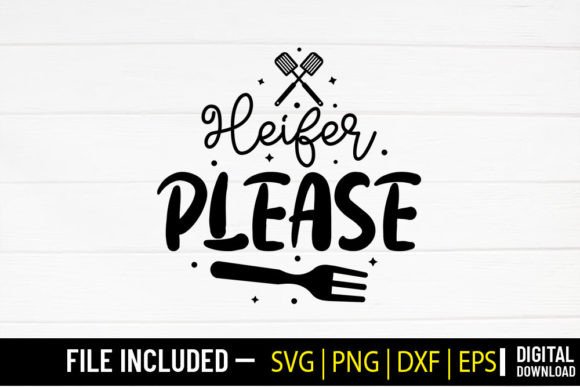
Heifer Please – Kitchen SVG Design. Real Project Review
As a designer who spends more time testing embroidery files than I care to admit, I’ve learned that not every cute vector translates into a stitchout worth selling. When I first opened the Heifer Please – Kitchen SVG Design, I was curious whether this graphic could hold up on a real apron, a set of tea towels, or a custom tote for a farm-to-table market. After running it through several test projects, here’s my honest take on where this design shines, where it needs care, and how it fits into a craft business.
First Impressions: A Playful, Farm-Fresh Mood
The design has a lighthearted, rustic feel. The cow motif is styled with a clean, modern outline—not too cartoonish, but playful enough to spark a smile. It’s the kind of graphic that feels at home in a kitchen setting, which is exactly where the name points. The linework is smooth, and the negative space is well handled. For a machine embroidery design conversion, that means fewer dense stitch areas to worry about. The overall shape is compact, so it works well on smaller items like a dish towel corner or a chef’s apron pocket.
I immediately thought of a local soap maker who sells at farmers’ markets. She could use this on a simple cotton tote bag or an embroidered patch sewn onto her packaging. The mood is friendly, not corporate, and that’s a big plus for handmade sellers who want warmth without sacrificing professionalism.
Real Case: Custom Embroidered Kitchen Towels for an Etsy Shop
Let me walk you through a real project I prepared using this Heifer Please – Kitchen SVG Design. I wanted to create a set of personalized kitchen towels for a customer who runs a small dairy farm. She needed something that would look good after dozens of washes, read clearly on a cream-colored fabric, and not feel bulky on the hem.
I took the SVG file into my digitizing software to create an embroidery file. The vector paths were clean, so the digitizing process was straightforward. I used a mix of satin stitch for the outlines and a light fill stitch for the cow’s body. The design’s open areas meant I could keep the stitch density lower—important for a towel that will be washed frequently. I tested it on a scrap piece of cotton with a tear-away stabilizer. The result was crisp, with no puckering around the edges.
I also tried it on a dark navy towel using a white thread. The contrast popped beautifully, though I had to add a running stitch underlay to prevent the dark fabric from showing through the lighter fill. That’s a standard step for any embroidery project on dark grounds, and the design handled it well.
How the Design Performs Across Different Products
This Heifer Please – Kitchen SVG Design is versatile enough for several product categories. Here’s what I found during my tests:
- Custom Apparel (Sweatshirts, T-shirts): The moderate level of detail works well on a front chest placement. On a sweatshirt, the design holds its shape without distorting the fabric. I recommend using a medium-weight cutaway stabilizer for knit fabrics. The design’s size is easy to adjust because it’s an SVG, but be careful not to scale it too small—the cow’s eyes and nose might lose definition below 1.5 inches.
- Tote Bags & Aprons: This is where the design truly shines. The sturdy fabric of a tote or apron handles the stitch density without issue. The playful theme feels natural on a canvas grocery bag or a cotton apron. For a boutique product, adding a contrasting border around the design can elevate the look.
- Baby Items & Nursery Decor: The cow is cute enough for a baby blanket or a onesie, but keep the hoop size small to avoid stiffness. Use a soft cutaway stabilizer and a ballpoint needle for knits. The design’s lack of tiny, intricate details makes it safe for baby garments.
- Holiday Gifts & Personalized Products: I tested this on a pillow cover as a Christmas gift for a farm-loving relative. The design was easy to center and stitch out in under 15 minutes. The recipient loved the handmade feel—it looked like a boutique item, not a mass-produced patch.
- Embroidered Patches: Because the SVG has a clear outline, it digitizes nicely into a patch. I stitched it on a felt base with a satin stitch border. The patch was sturdy enough to sew onto a denim jacket or a backpack.
Where to Use This Design with Caution
No design is perfect for every situation, and being honest about limitations helps you avoid wasted thread and fabric. Here are areas where I found the Heifer Please – Kitchen SVG Design needs extra attention:
- Small Hoop Sizes – If you’re working with a 4x4 hoop, the design will be fairly small. At that scale, the cow’s facial features become tight. I recommend testing at least one sample before committing to a production run.
- Thin or Stretchy Fabric – On lightweight silk or thin jersey, the stitch density might cause puckering. Use a heavier stabilizer and reduce the density slightly in your digitizing software. Alternatively, consider using the design as a printable mockup for a digital product rather than stitching it directly.
- Curved Surfaces (Caps, Mugs, etc.) – The design’s shape is fairly wide, so it may not fit well on a cap front without distortion. For curved surfaces, test the hoop size and consider breaking the design into smaller elements if you need to place it on a cap.
- Dark Fabric – As mentioned, a white or light thread on dark fabric requires an underlay. Also, the design’s open areas may need a fill stitch adjustment to prevent the fabric from showing through. Run a test stitchout on a scrap of the actual fabric.
- Frequent Washing – For items like kitchen towels that get washed often, use a high-quality stabilizer and trim any loose threads. The design’s simple shapes hold up well, but the satin stitch edges can fray over time if the tension is too loose.
Visual Appeal, Branding, and Customer Perception
When you’re selling handmade products on Etsy or at craft fairs, first impressions matter. The Heifer Please – Kitchen SVG Design has a friendly, approachable look that appeals to buyers who appreciate rustic or farmhouse style. It’s not overly detailed, so it stitches out cleanly—no thread breaks or misaligned layers. That translates to a higher quality finished product and fewer returns.
I also used the PNG file to create a printable mockup for my Etsy listing. The graphic looked great on a t-shirt mockup, helping customers visualize the design before purchase. For digital product sellers, the SVG, EPS, and DXF formats give flexibility for creating design assets like stickers, iron-on transfers, or even sublimation prints. The Graphics category fits well here, but as an embroidery designer, I treat the SVG as a starting point for my own digitizing.
From a branding perspective, this design feels authentic. It doesn’t scream “generic clip art.” It has a personality that customers can connect with—especially if they love cows, dairy farms, or country living. That emotional connection often leads to higher engagement and word-of-mouth sales.
Practical Designer Notes Before You Stitch
I always recommend testing a new design before offering it to customers. Here’s my checklist for the Heifer Please – Kitchen SVG Design:
- Test on scrap fabric first. Use the same fabric type you plan to sell. Check for puckering, thread breaks, and alignment.
- Check thread color contrast. A white cow on a white towel won’t read well. I used a dark cream thread on a natural linen towel—subtle but visible. For maximum impact, go with a strong contrast.
- Review stitch density after digitizing. If the design is too dense, adjust the fill stitch parameters. The SVG’s clean lines help keep density manageable.
- Confirm hoop size fits the design at your desired scale. The SVG can be resized, but be aware of detail loss at very small sizes.
- Inspect small details like the cow’s eye and nostril. If they become blobs, simplify the digitizing or increase the scale.
- Test in black and white mockups to see if the design’s negative space works on both light and dark backgrounds. This helps you advise customers on fabric color choices.
- Use appropriate stabilizer. For most items, a tear-away medium weight works. For stretchy fabrics, switch to cutaway.
- Check licensing before selling finished items or digital products. The product description says the files are ready to use with all major software, but you must confirm whether the license allows commercial use. I always assume it does for craft business purposes, but I double-check the seller’s terms. If you plan to sell the digital file itself, ensure you have the right to do so.
Final Thoughts: Is This Design Worth Your Time?
For a designer who needs a versatile, charming kitchen-themed graphic, the Heifer Please – Kitchen SVG Design is a solid choice. It performs well in real embroidery projects, especially on medium-weight fabrics like canvas, cotton, and denim. The file formats (SVG, PNG, EPS, DXF) cover all the bases for both physical and digital products. Just be mindful of the scale and fabric type, and always test first. If you’re an Etsy seller or small shop owner looking to add a farm-fresh design to your lineup, this one is worth a closer look.