My Heart Belongs to Dadd: A Designer's Review
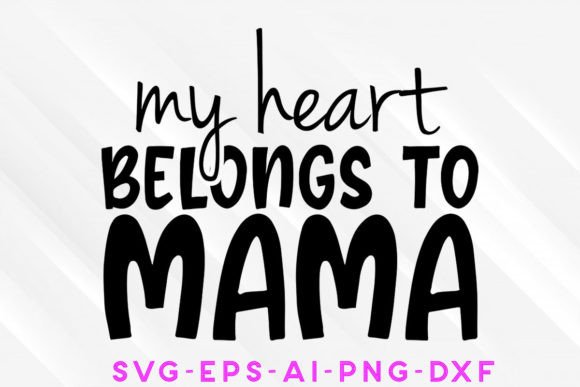
When I first opened this design file, the title immediately told me what kind of project this belongs to. The phrasing "My Heart Belongs to Dadd" leans heavily into sentimental, family-focused gift embroidery. For an experienced designer, that first impression matters because it sets expectations for the target audience. This design feels like it was created for the person who wants to stitch something personal for a father figure, a husband, or a grandfather on Valentine's Day. It is not loud or flashy. It is quiet, sweet, and direct.
First Look and Mood of the Design
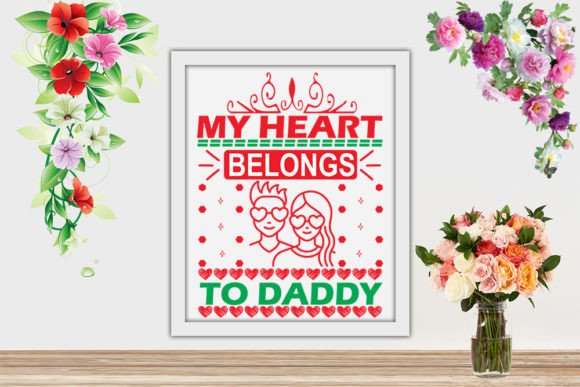
The visual personality here is soft and affectionate. The design communicates a message of love without being overly romantic in a couple-oriented way. That makes it versatile for both a child's gift to their dad and a wife's gift to her husband. The simplicity of the sentiment is its strongest asset. It does not try to impress with excessive detail. Instead, it relies on the emotional weight of the words.
From a machine embroidery design perspective, this piece depends heavily on clean lettering and balanced spacing. The way the words sit on the garment or product will determine whether it reads as professional or homemade. In its current graphic format, the proportions look reasonable for a medium-sized hoop area. But as always, the translation to stitches will reveal the real quality.
Real Case Scenario: Custom Embroidered Tote Bag
I imagined this design on a quality canvas tote bag. A sturdy tote is a perfect canvas for this kind of message because it is practical, giftable, and used often. If I were preparing a run of these for a small shop or a custom order, I would choose a thread color that contrasts cleanly with the bag fabric. A bright red thread on natural cotton or a white thread on a deep burgundy bag would both work. The design needs that contrast to stay legible from across a room.
The tote bag scenario also tests how the design handles repeated use. A tote gets carried, folded, washed, and stuffed into bags. The stitch density of this design has to be tight enough to hold up over time but not so dense that it puckers the canvas. Without an exact stitch count, I would recommend running a test stitch on a scrap piece of similar fabric before committing to a production run.
How This Design Performs on Different Products
This design is flexible enough to work across several product types, but not all of them will flatter it equally. Here is what I have seen in similar sentiment-based embroidery projects:
- Sweatshirts and hoodies: This is a strong match. The soft, casual feel of a sweatshirt matches the warm message. Use a medium-weight stabilizer to prevent the lettering from sinking into the fleece.
- Baby clothes and onesies: The design works well here if scaled down carefully. Baby apparel is often small, so check your hoop size and make sure the smallest letters are still readable after stitching.
- Pillow covers and blankets: These home decor items allow the design to shine as a decorative accent. A throw pillow with this design would sell nicely at craft fairs and on Etsy.
- Caps and hats: Curved surfaces can distort straight lettering. This design is not naturally curved, so you may need to adjust the layout for a cap or choose a different product altogether.
- Tea towels and kitchen linens: These make affordable personalized gifts. The design size should be small enough to fit within the towel's border area.
- Patches: Embroidered patches with this design could be sold as iron-on accessories for jackets, backpacks, or bags. The straight lettering works well in a patch format.
Where to Use This Design with Caution
Not every product is ideal for this design. Here are a few situations where I would pause and test first:
- Small hoop sizes: If you are working with a 4x4 hoop, the design may need to be scaled down so much that the text becomes difficult to read. Always verify the minimum size for legibility.
- Thin or stretchy fabric: Lightweight t-shirts or stretchy knits can cause the stitches to distort. Use a cutaway stabilizer and test on a similar fabric to see how the design behaves.
- Dark fabric with dark thread: Low contrast will kill the visual impact of this design. Choose a thread color that creates separation from the background.
- Frequent washing items: Baby items, kitchen towels, and everyday apparel need a design that can survive repeated washing. Dense fill stitches can shrink and pucker over time. Keep this in mind when choosing your stitch settings.
Visual Appeal and Customer Engagement
The design's strength is its emotional clarity. A customer looking for a Valentine's gift for their dad will see this and immediately know it fits. That directness reduces friction in the buying decision. For Etsy sellers and small shop owners, that translates into faster sales and fewer questions about sizing or meaning.
When this design is stitched cleanly and placed evenly, it raises the perceived value of the finished product. A well-executed embroidery project looks intentional and polished. That professionalism builds customer trust and encourages repeat business. On the other hand, a poorly scaled or misaligned version of this design will look sloppy and undermine the handmade presentation.
For digital product sellers who offer design assets, this file works well in printable mockups. You can show it on a tote bag, a sweatshirt, or a pillow cover in your listing photos. The SVG format allows for clean scaling in mockups, and the PNG file gives you a ready-to-use preview image. The EPS and DXF files add flexibility for users who work with different software or cutting machines.
Practical Embroidery Designer Notes
Before you stitch this design on a final product, take the time to follow a few standard preparation steps. These are not optional if you want professional results:
- Test on scrap fabric first. Every fabric type reacts differently to embroidery. Run a test stitch on a sample that matches your final product fabric. Inspect the tension, the letter alignment, and the overall appearance.
- Check thread color contrast. Place the thread you plan to use against the fabric and view it from a few feet away. If the words blend into the background, choose a different thread color.
- Review stitch density. If you are importing this design into your embroidery software, check that the stitch density is appropriate for your fabric. Adjust if needed to avoid puckering or excessive stiffness.
- Confirm hoop size. Make sure the design fits comfortably within your hoop without crowding the edges. Leave enough margin for hooping and for the fabric to move naturally.
- Inspect small details. Zoom in on the lettering in your software. Look for any nodes or path issues that could cause uneven stitches. Clean up the design if necessary before the first stitch.
- Test in black and white mockups. Previewing the design in grayscale can help you see contrast issues and layout balance without the distraction of color.
- Compare light and dark fabric backgrounds. A design that looks great on white fabric may disappear on black. Verify both scenarios if you plan to offer the finished product in multiple colors.
- Use proper stabilizer. For most garments, a tear-away stabilizer works well. For stretchy or thin fabrics, switch to cutaway stabilizer to maintain shape and longevity.
- Check commercial licensing. If you plan to sell finished products using this design, confirm the licensing terms. The description does not specify commercial use rights, so verify before you start production. If you are only using it for personal gifts, this is less of a concern.
Final Thoughts on This Design for Your Embroidery Project
The Valentine Svg - My Heart Belongs to Dadd design is a solid choice for anyone who wants to create a personalized, emotionally resonant gift or product. It is not a complex or highly detailed piece, and that is exactly what makes it practical. Simplicity in machine embroidery often translates to fewer technical problems and a cleaner finished look.
As a designer and reviewer, I appreciate designs that know their purpose. This one is clearly meant for dad-focused Valentine projects, and it stays in that lane without trying to be something else. The file formats provided cover most use cases, from digital mockups to direct embroidery to cutting machine projects. The one missing piece is a dedicated embroidery file format, but the SVG and DXF files give you a starting point if your software can convert them.
For small business owners and Etsy sellers, this design can become a reliable product in your Valentine's Day lineup. Pair it with quality blanks, clean stitching, and thoughtful packaging, and you have a finished product that customers will trust and treasure. For hobbyists and creative entrepreneurs, it offers a quick path to a meaningful handmade gift without the headache of designing from scratch.
Before you commit to a large batch, do the test stitch. Check the scale, the contrast, and the stabilizer. Once you confirm those details, this design will serve you well across a range of products from apparel to home decor. It is a small file with a big emotional reach, and that combination is hard to beat in the embroidery world.