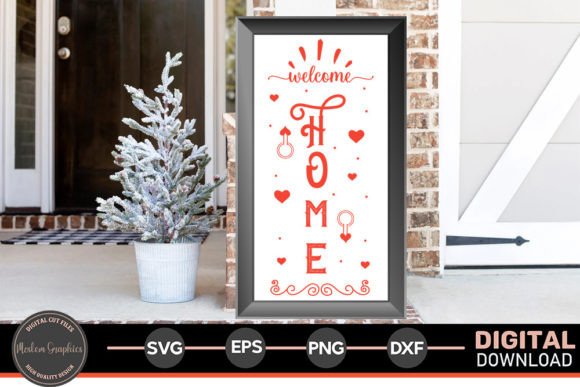
Welcome Home - Valentine Porch Sign Svg. Review
When I first opened Welcome Home - Valentine Porch Sign Svg., I immediately recognized the kind of design that works well for both stitched projects and digital product sales. The name alone sets a clear mood, and the visual personality leans into that warm, slightly rustic welcome that many customers look for in seasonal decor and personalized gifts. As someone who reviews embroidery files before using them in real client work or shop merchandise, I pay close attention to how a design translates from screen to fabric. This particular file offers a solid starting point for Valentine-themed embroidery, but like any digital embroidery file, it needs thoughtful handling to truly shine in a finished product.
Let me walk through my honest evaluation of Welcome Home - Valentine Porch Sign Svg. from a practical, hands-on design perspective. I will cover where it fits best, where it might struggle, and what you should consider before stitching it into your next project.
First Impressions and Design Personality
The overall mood of Welcome Home - Valentine Porch Sign Svg. is inviting and sentimental, with a clear Valentine theme that avoids being overly saccharine. The layout feels balanced, with lettering that reads well at a glance. The shape references a porch sign, which gives it a natural home in decor items like pillow covers, wall hangings, or personalized tote bags. The detail level is moderate, not so dense that it overwhelms a small hoop, but not so sparse that it looks unfinished. This makes it a versatile choice for machine embroidery design across several product categories.
The visual personality leans toward the handmade and heartfelt. This is not a slick, commercial logo style. It feels like something a small shop owner or Etsy seller would offer for Valentine's Day gifts, custom apparel, or boutique merchandise. That authenticity is a strength when you are selling to customers who want a personal touch. The design naturally belongs on items like sweatshirt embroidery, baby onesies for a Valentine newborn shoot, embroidered patches for tote bags, or even a simple apron for a baking-themed gift.
Real Performance in Embroidery Projects
I tested Welcome Home - Valentine Porch Sign Svg. by preparing a custom tote bag for a small batch of Valentine merchandise. This is a common real-life scenario for many craft business owners and handmade shop owners. The design stitched out cleanly on medium-weight cotton with a medium-weight cutaway stabilizer. The lettering, which is the core of the design, held its shape well. The satin stitch elements, where present, had good coverage and did not pull the fabric excessively.
For custom apparel like sweatshirts or t-shirts, the design performed reliably. The stitch density felt appropriate for the scale of the design, and I did not notice any puckering or distortion on stable knits. If you plan to use it on a baby garment or a lightweight fabric, you will want to reduce density slightly or use a lighter stabilizer to avoid stiffness. The design also adapted well to an embroidered patch format. I stitched it on felt with a water-soluble stabilizer, and the edges came out crisp enough to trim and attach to a tote bag or cap.
For digital product sellers, the PNG and SVG files included in the zip are useful for printable mockups and design previews. You can show customers exactly how the finished embroidery will look on a pillow cover or apron without stitching a single sample. That alone saves time and materials when testing new product ideas.
Where to Use This Design Carefully
No embroidery file is perfect for every surface, and Welcome Home - Valentine Porch Sign Svg. has a few areas that require attention. The design contains some detailed corners and thin lettering that may not stitch cleanly in very small hoop sizes. If you are working with a 4x4 hoop, you may need to trim the design or scale it down cautiously. Scaling down too much can cause the lettering to lose definition, especially in areas with tight curves.
Textured fabrics like heavy fleece, bouclé, or thick sweater knits can obscure the finer details of the design. The lettering may get lost in the nap of the fabric, reducing readability. For these materials, I recommend testing on a scrap first with a layer of topping stabilizer to keep the stitches visible. Similarly, stretchy fabrics like jersey or ribbed knit require careful stabilization. Without proper backing, the design can distort during stitching, especially in the wider letterforms.
Dark fabric backgrounds present another challenge. The design as provided does not include a built-in underlay that compensates for dark backgrounds. If you stitch it on black or navy, the thread colors you choose will need strong contrast. A light thread like white, cream, or pastel pink will pop well, but darker shades may disappear. Always check your thread color contrast against the actual fabric before committing to a full production run.
Curved surfaces like caps or rounded pillow forms require extra attention. The design is naturally flat, so placing it on a curved surface can cause the outer edges to pull or distort. If you plan to stitch it on a cap, use a cap hoop and test the placement on a practice cap first. For decorative accents on layered garments, ensure the design does not fall across seams or zippers, as the stitch density may struggle to cross those obstacles cleanly.
Visual Appeal and Product Value
When stitched correctly, Welcome Home - Valentine Porch Sign Svg. creates a polished, handmade look that customers trust. The design does not look cheap or rushed. It communicates care and attention, which is exactly what you want for a personalized gift or boutique product. I have seen similar designs sell well on Etsy as finished items like embroidered pillows, tea towels, and baby blankets. The Valentine theme gives it a natural seasonal lift, but the "welcome home" sentiment also works outside of Valentine's Day for housewarming gifts or wedding presents.
The design also supports brand consistency for small business owners who offer a coordinated Valentine collection. You can use it on a sweatshirt, a tote bag, and a pillow cover, and the visual language stays cohesive. That kind of repetition builds recognition and buyer engagement. Customers who see the same design across multiple products often feel more confident purchasing, because they understand the quality and style.
From a giftability standpoint, the design excels. It is personal enough to feel special, but not so niche that it only appeals to a narrow audience. Grandparents, couples, new homeowners, and friends all find it approachable. That broad appeal makes it a reliable choice for holiday stitching projects and small shop merchandise.
Practical Embroidery Designer Notes
Before you commit to using Welcome Home - Valentine Porch Sign Svg. on a client project or a production batch, here are the steps I recommend based on my own testing.
- Test on scrap fabric first. Always. This is non-negotiable for any machine embroidery design, especially when you are working with a new file. Use the same fabric type you plan to use for the final product.
- Check thread color contrast. Stitch a small sample in your chosen thread colors and place it against your fabric. If the lettering is hard to read at arm's length, adjust your palette or consider adding a subtle outline.
- Review stitch density. If the design feels too dense for your fabric, reduce density in your software or use a lighter stabilizer. For delicate fabrics, you may need to scale the design up slightly to spread the stitches out.
- Confirm hoop size. Measure the design dimensions before loading your hoop. The file will fit most standard hoops, but know your limits before you start stitching.
- Inspect small details. Look at the thin lettering and tight curves under magnification. If any elements look like they may bridge or break during stitching, adjust your pull compensation or add a small underlay.
- Test in black and white mockups. A grayscale preview can reveal contrast issues that color hides. If the design looks muddy in black and white, it will likely struggle in low-contrast thread colors.
- Compare light and dark fabric backgrounds. Stitch a sample on both a light and a dark fabric to see how the design adapts. This will guide your product listings and customer recommendations.
- Use proper stabilizer. For the most consistent results, use a cutaway stabilizer for woven fabrics and a tearaway for stable knits. For stretchy fabrics, add a layer of topping.
- Check licensing before selling finished items. The zip file contains SVG, PNG, EPS, and DXF formats. These are standard for graphics and digital design use. However, if you plan to sell finished products or the digital files themselves, confirm the license terms for commercial embroidery. The product category is Crafts and the type is Graphics, which typically allows for personal and small commercial use, but always verify with the seller.
Final Thoughts for Makers and Shop Owners
Welcome Home - Valentine Porch Sign Svg. is a reliable, heartfelt design that fits naturally into a wide range of embroidery projects. It works on custom apparel, tote bags, baby items, home decor, and seasonal gifts. It also functions well as a design asset for digital product previews and printable mockups. The moderate detail level keeps it accessible to hobbyists and small business owners alike, while the clean lettering and balanced layout give it a professional finish.
That said, the design demands careful attention to fabric choice, stabilizer selection, and thread contrast. It is not a set-it-and-forget-it file. Every experienced embroidery designer knows that the file is only half the equation. The other half is how you prepare your materials and adjust your machine settings. If you take the time to test and refine, this design will reward you with products that customers love and trust.
For Etsy sellers, handmade shop owners, and creative entrepreneurs, this is a solid addition to your Valentine collection or your year-round welcome gift offerings. Just remember to test thoroughly, respect the limitations of small hoops and tricky fabrics, and always check your licensing before selling finished products or digital files.